
Front-end Development Services

• 15 min
I'm a content specialist at Fively keen on writing fresh articles that can help out business and tech specialists. I love to conduct research, hold interviews, and spotlight sophisticated tech issues.
We design and build fast, accessible, pixel-perfect interfaces — a complete front-end development service that turns your product vision into a polished, scalable user experience across every device and browser.
Your interface is the first thing users judge and the last thing they forgive:
- a slow load,
- a clumsy interaction,
- a layout that breaks on mobile costs you trust before a single feature gets noticed.
That's the problem a serious frontend development service exists to solve — and it's what we focus on. We combine UI/UX design, modern framework engineering, accessibility, and performance optimization into one accountable process, so the interface stops being the weak link and starts being the reason people choose your product.
Frontend Development Services We Offer
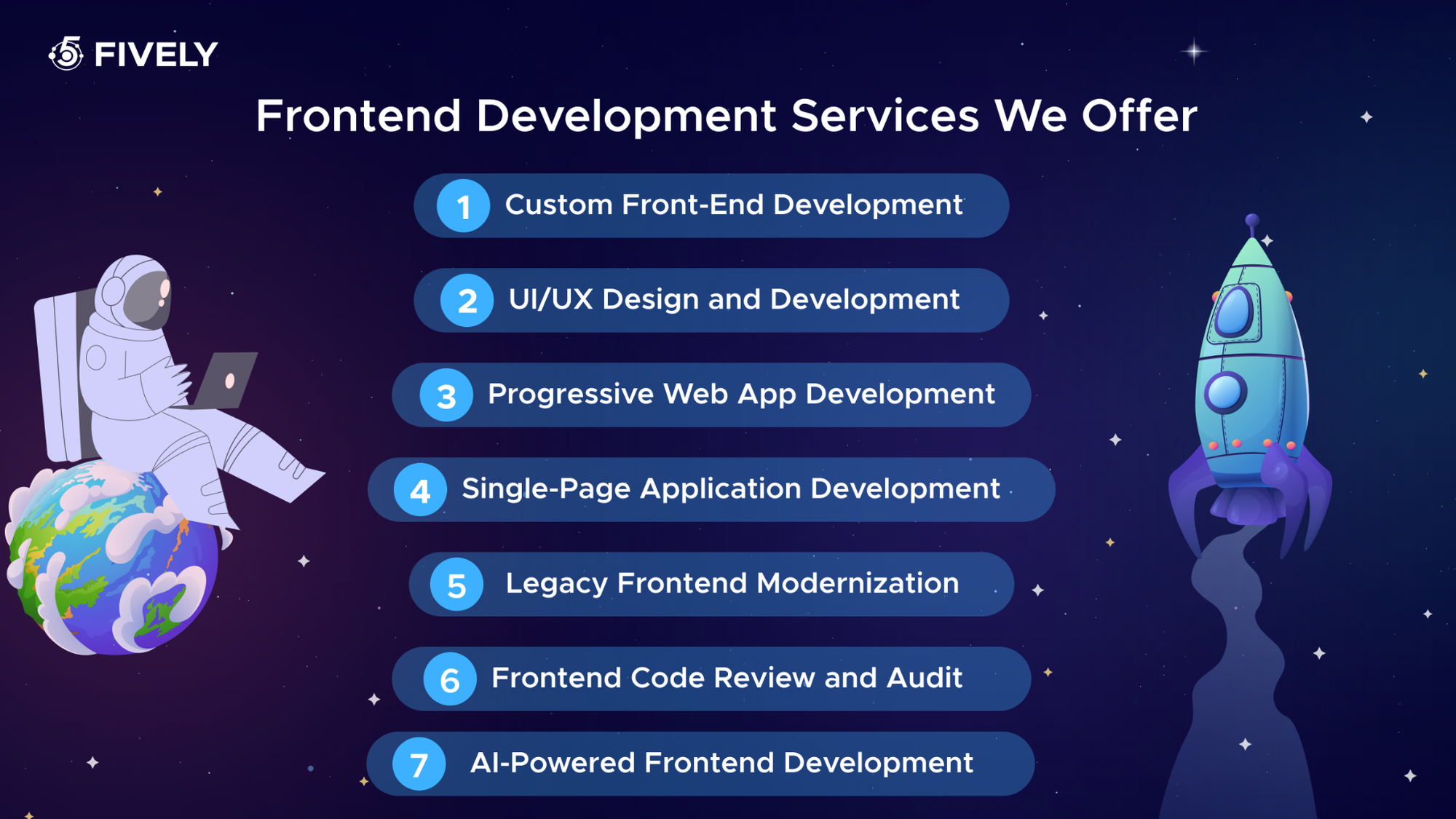
Custom Front-End Development
We build bespoke interfaces engineered around your exact business logic rather than forced into a generic template. From complex single-page applications to data-heavy dashboards, our custom front-end development pairs clean component architecture with the right framework — React, Angular, or Vue.js — so the result stays fast, maintainable, and ready to scale. Every interface is written to be readable for the next developer, not just functional for the demo, with consistent patterns, sensible state management, and documentation that lets your team take ownership whenever they're ready.
Ideal for: products with specific UX, performance, or domain requirements that off-the-shelf templates can't satisfy.
UI/UX Design and Development
Great frontend starts before the first line of code. Our designers and engineers work together to turn user research and wireframes into intuitive, on-brand interfaces, then implement them with pixel-perfect precision. By keeping user experience design and frontend development under one roof, we eliminate the handoff gaps that usually dilute a great design on its way to production. The result is an interface where usability, visual polish, and technical performance reinforce each other instead of competing — designed for real users and built to behave exactly as intended in the browser.
Ideal for: teams that want design and implementation aligned end to end, with no loss of fidelity between Figma and the browser.
Progressive Web App Development
We build progressive web apps that deliver an app-like experience straight from the browser — installable, fast, and fully functional even on flaky connections. With offline support, push notifications, and responsive web design baked in, a PWA lets you reach users across desktop and mobile without maintaining separate native codebases. It's often the most cost-effective path to a cross-platform product, and because a progressive web app runs on a single codebase, every update reaches all your users instantly with no app-store delay.
Ideal for: businesses that want native-like reach and performance without the cost of separate iOS and Android builds.
Single-Page Application Development
For products that need to feel instant, we develop single-page applications that load once and respond immediately as users navigate. Using modern JavaScript and TypeScript with frameworks like React and Angular, we build smooth, stateful interfaces backed by efficient API integration and thoughtful state management — the kind of responsiveness users now expect from any serious web application. We also handle the parts that make or break an SPA in production: fast initial load, sensible code-splitting, and graceful handling of loading and error states so the experience stays smooth even on slower devices.
Ideal for: dashboards, SaaS platforms, and interactive tools where navigation speed defines the experience.
Legacy Frontend Modernization
Aging frontends slow teams down and frustrate users. We modernize legacy interfaces — migrating from outdated frameworks like AngularJS, untangling brittle codebases, and rebuilding components on a current, maintainable stack — without halting your active development. The result is reduced technical debt, faster load times, and a foundation your team can actually build on. We approach modernization incrementally, prioritizing the areas that hurt most and shipping improvements in parallel with your roadmap, so users feel the difference quickly and your developers stop fighting the codebase.
Ideal for: established products carrying frontend technical debt that blocks new features or hurts performance.
Frontend Code Review and Audit
Sometimes you need an expert second opinion before scaling. Our dedicated front-end web development audit team checks your codebase for performance bottlenecks, accessibility gaps, security issues, and architectural weak points, then delivers a prioritized, practical roadmap. Whether as a one-time engagement or an ongoing review cadence, it's a fast way to raise quality and de-risk what comes next. We focus on findings you can act on — concrete fixes ranked by impact and effort, not a generic checklist — so the audit pays for itself in the decisions it informs.
Ideal for: teams preparing to scale, onboard new developers, or validate an inherited frontend before investing further.
AI-Powered Frontend Development
We bring AI into the frontend workflow where it genuinely accelerates delivery — using AI-assisted tooling for faster scaffolding, smarter code review, and automated test generation, and integrating AI-driven features like conversational interfaces and intelligent search into the products we build. The outcome is a shorter path to production without compromising the quality and maintainability of the code that ships. We treat AI as a force multiplier for experienced engineers, not a replacement for judgment: every AI-assisted output is reviewed by a senior developer before it reaches your codebase.
Ideal for: teams that want to move faster and embed modern AI capabilities directly into their user-facing experience.
Our Front-end Development Process
We follow a structured front-end development process built specifically for interface work — not a generic five-step pipeline that ignores what makes frontend hard. Each phase produces something concrete, so you always know what's been validated before moving forward.
1. Requirements Gathering and Design Review
We start by aligning on goals, users, and constraints, then review designs and assets together to catch gaps early. This is where we agree on scope, success metrics, and the technical approach — before any code is written. Spotting ambiguous states, missing edge cases, and unrealistic interactions at this stage is far cheaper than discovering them mid-build.
2. Component Architecture and Design System
We define the component hierarchy, state strategy, and a reusable design system that keeps the interface consistent and easy to extend. A deliberate front-end architecture here is what prevents the duplication and drift that slow projects down later. A shared design system also means every new screen gets faster to build, not slower.
3. Development Environment and Tooling Setup
We configure the build pipeline, linting, testing, and AI-assisted development tooling so the team ships quickly and consistently from day one. Getting the development tools and frameworks right early removes friction throughout the rest of the project, and automated checks keep quality high without slowing anyone down.
4. Iterative Component Development
We build the interface component by component in short cycles, with regular code review and your feedback folded in continuously. You see working software early and often, not just at the end. This rhythm keeps the project transparent and lets us adjust direction before small misunderstandings turn into expensive rework.
5. Responsive Design and API Integration
We implement responsive web design across breakpoints and wire the interface to your backend through clean, well-structured API integration and state management. The interface stays fast and reliable as real data flows through it, and behaves predictably whether it's loading, empty, or handling an error.
6. Accessibility, Cross-Browser Testing, and Deployment
We run accessibility audits against WCAG standards, test across browsers and devices, optimize performance, and then deploy with monitoring in place. Quality and compliance are verified before launch — and watched after it, so regressions get caught before your users do.
 Services Account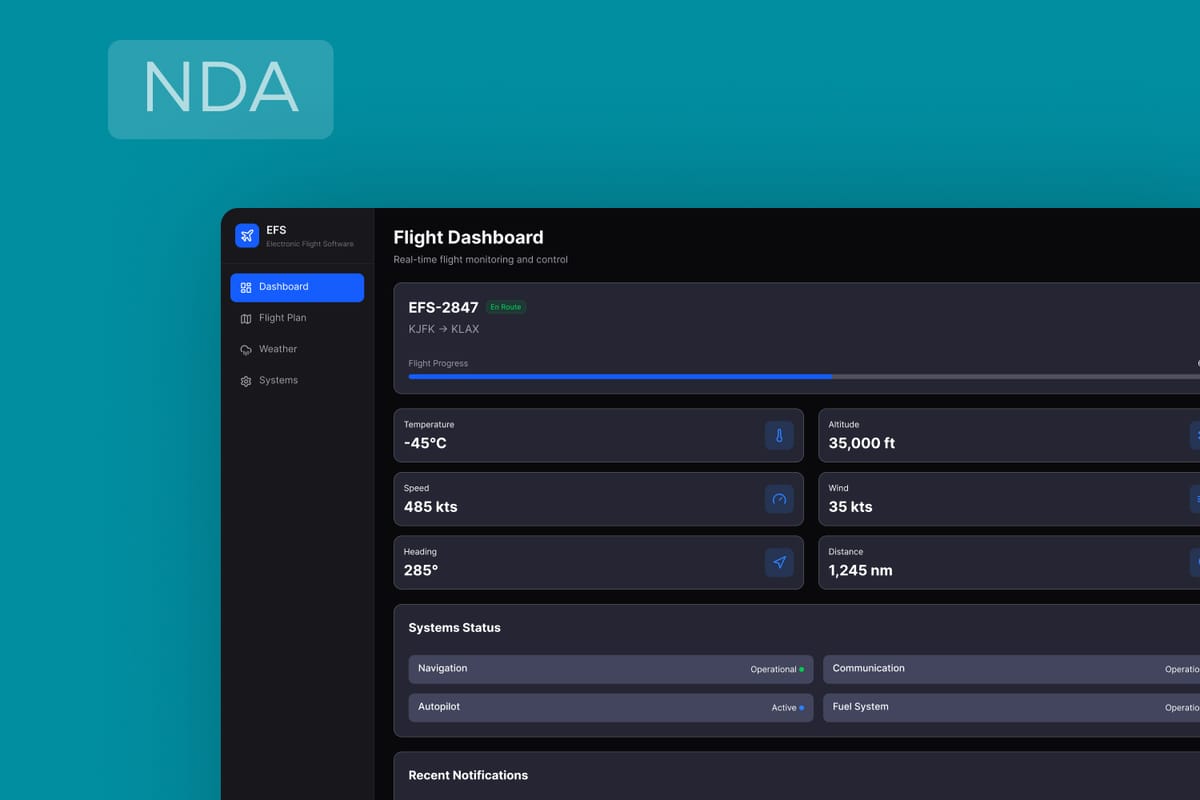
Technology Stack
We choose frontend technologies based on what each product actually needs, not to pad a list. Our stack spans the browser layer, modern build and testing tooling, and full-stack frontend frameworks — with AI-assisted tools woven throughout. The tables below show the core technologies our front-end developers work with and what we use them for.
Client-side layer. This is where the user experience lives — markup, styling, interactivity, and state. We pick the framework to fit the product: React for a broad ecosystem and flexibility, Angular for large, structured enterprise apps, Vue.js for fast, approachable development.
Build and testing tooling. The tooling layer determines how fast and how safely a team can ship. Modern bundlers keep building quick, automated tests that catch regressions early, and AI-assisted tools speed up the repetitive work without lowering the quality bar.
Full-stack frontend. When a product needs server-side rendering, static generation, or its own API layer, we reach for full-stack frontend frameworks that handle the browser and the server-adjacent work in one coherent stack — improving both performance and SEO.
 Services Account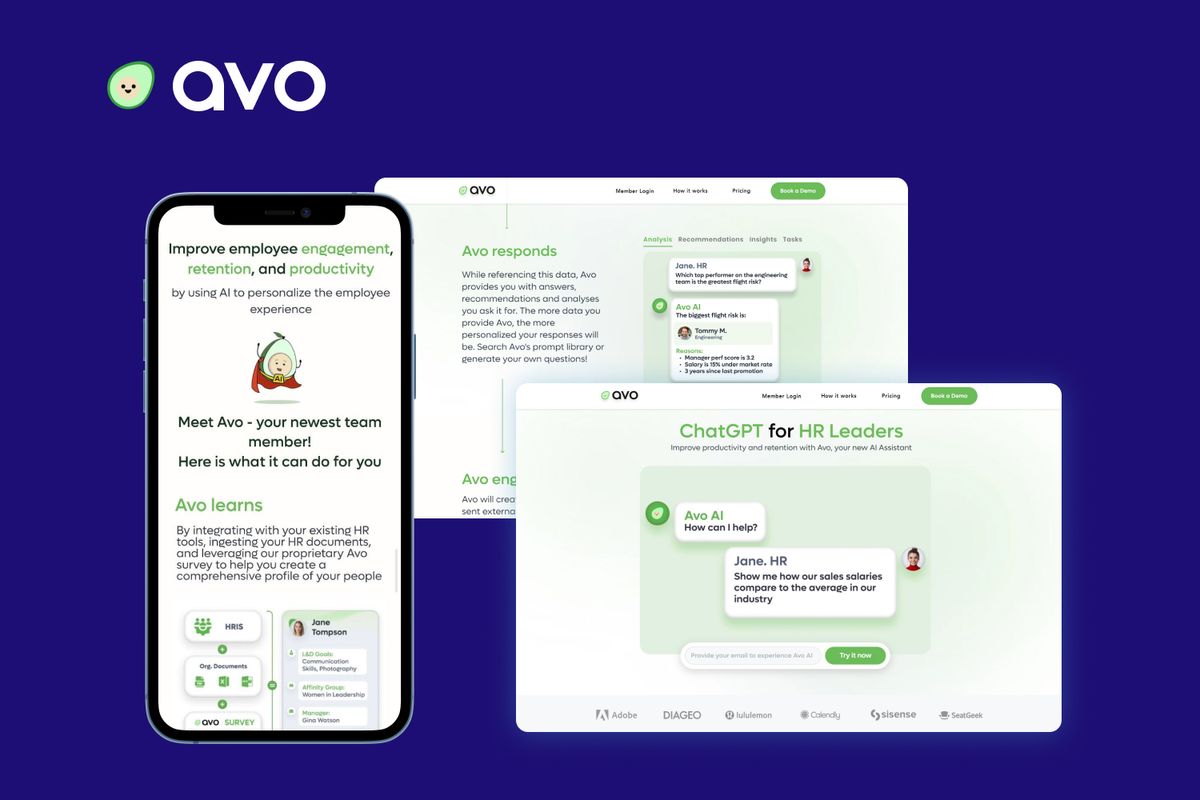
Why Fively Stands Out Among Frontend Development Companies
Choosing among frontend development companies usually comes down to one question: can this team ship an interface that's fast, accessible, and maintainable — without creating problems you'll pay for later? Here's why startups and enterprises partner with us.
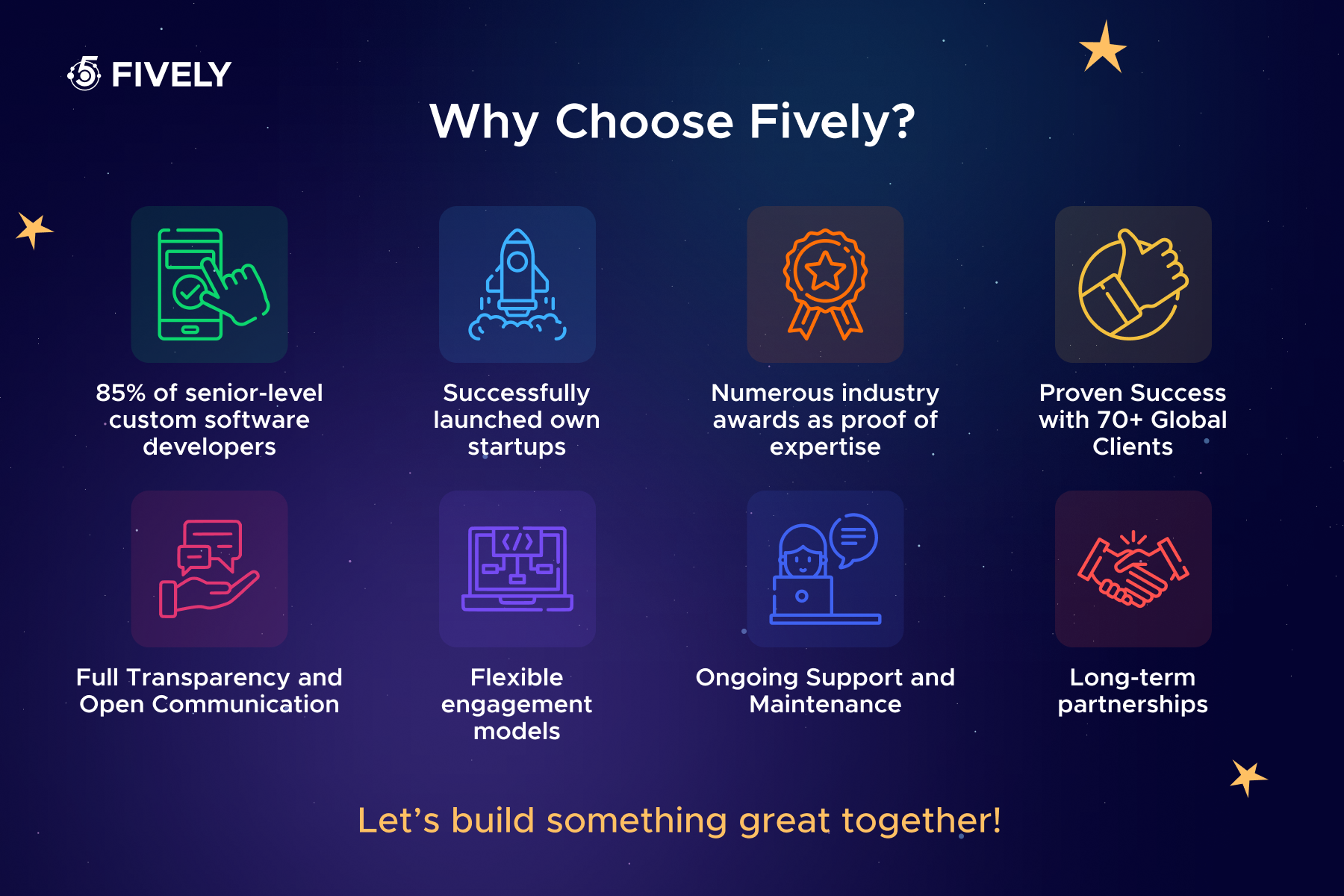
- Senior-led frontend expertise. Around 85% of our team works at a senior level, so your interface is built by engineers who know how to balance speed, accessibility, and long-term maintainability — not just make it look right in a demo. Experienced developers make better architectural calls early, which is what keeps a frontend healthy as it grows.
- Design and engineering under one roof. We close the gap between Figma and the browser, delivering pixel-perfect interfaces without the fidelity loss that happens when design and frontend development are handled by separate vendors. Designers and front-end developers collaborate from day one, so what ships matches what was envisioned.
- Seamless integration with your team. Our dedicated software development team plugs into your workflow, sprint cadence, and backend team as a true extension of your organization — a quality clients consistently highlight on Clutch. We adapt to your tools and processes rather than forcing ours onto you.
- Accessibility and performance as defaults. WCAG compliance, responsive web design, and performance optimization are built into how we work from the start, not bolted on when something breaks. That means an interface that's usable for more people and faster for everyone, without a costly retrofit later.
- Transparent communication and on-time delivery. Clear updates, honest timelines, and no surprises — communication is the single most-mentioned strength in our client reviews, and it's what makes a distributed engagement feel effortless.
- A frontend track record since 2018. We've built interfaces across FinTech, HealthTech, eCommerce, and cybersecurity — from a data-driven nature-restoration web app that helped plant over 113 million trees to a real-time interactive presentation tool for live events.
One of our dear clients, who hired us after another agency derailed a year-long project, summed up the experience on Clutch: “The best dev shop I have found in 10 years of entrepreneurship.”
That kind of trust is exactly what we build for.
 Services Account
Engagement Models
Different products call for different levels of involvement, so we offer flexible engagement models matched to your in-house capacity and goals. The right fit depends on how much you want to own day to day, how defined your scope is, and how your needs are likely to change — and we're happy to advise on which model suits your situation before you commit.
Dedicated Frontend Team
We assemble a cross-functional team of software developers, designers, and a project manager that works as a managed extension of your organization. Best for long-term products and evolving roadmaps that need consistent velocity and ownership. Because the team stays with your product over time, they accumulate deep context and keep getting more efficient as the work continues.
Staff Augmentation
We embed senior front-end developers directly into your existing team to close skill gaps fast, with your side directing the work. Best when you have in-house leadership and need frontend expertise on demand without long-term hiring commitments. You keep full control of priorities and process while gaining experienced engineers who contribute from the first sprint.
Project-Based Development
We take full ownership of a defined scope and deliver an end-to-end front-end solution against agreed milestones. Best for organizations with a clear brief that want a managed outcome without running the project day to day. You get predictable delivery against a fixed set of goals, with our project manager handling coordination so you can stay focused on your business.
Case Studies
Real interfaces for real businesses say more than any capability list. Across industries, the through-line in our frontend work is the same: turn complexity into something users find clear and effortless, on a codebase the client's team can keep building on.
A few examples our team has delivered:
- a data visualization web app for a nature-restoration company built on React, where clear visual storytelling turned complex impact data into something users could actually grasp;
 Services Account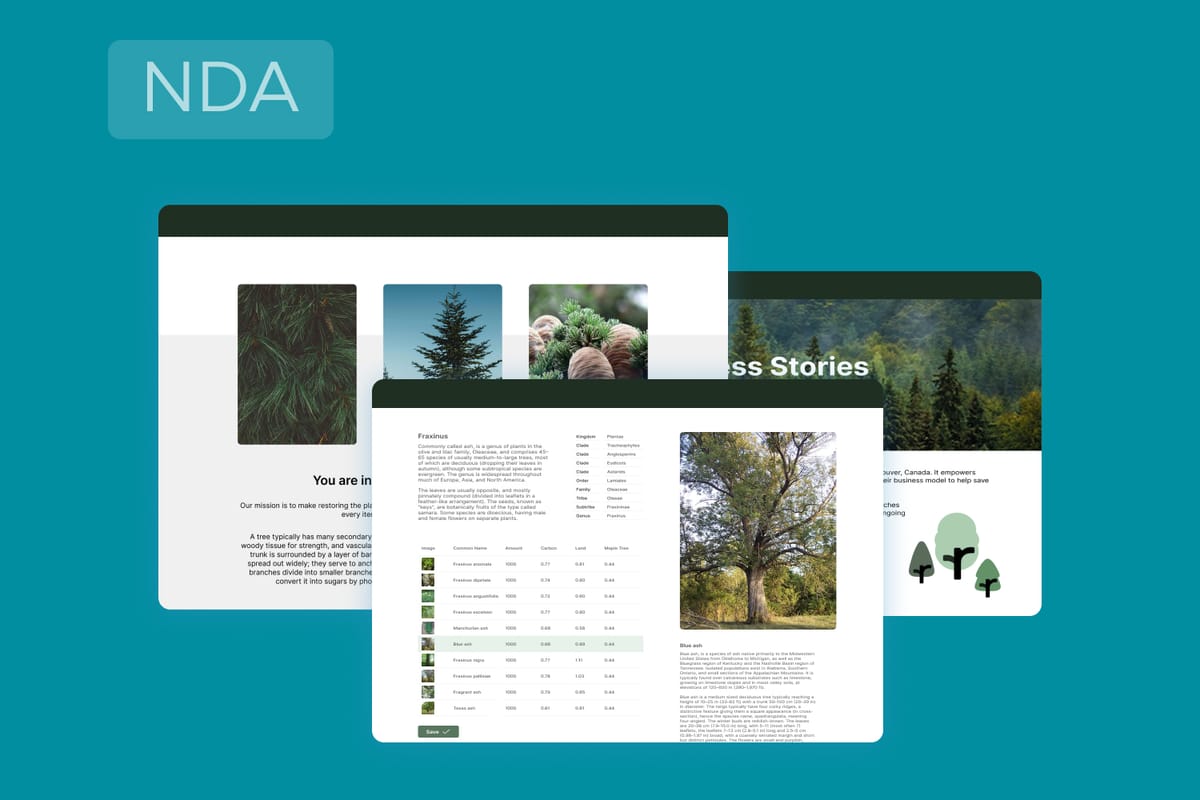
- a real-time feedback and interactive presentation tool on React and Node.js that visualizes live audience input during events;
 Services Account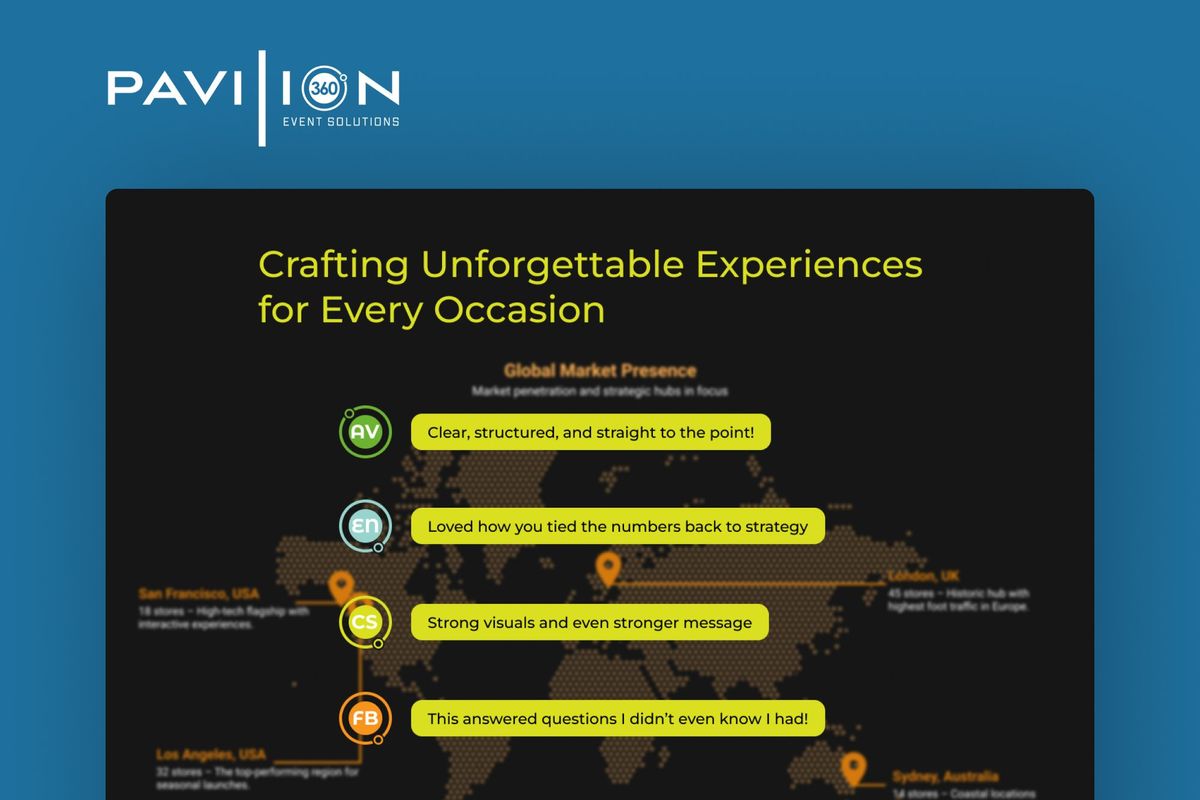
- an identity and access management platform for Uniqkey, trusted enough to be recommended by the association of Danish Auditors;
 Services Account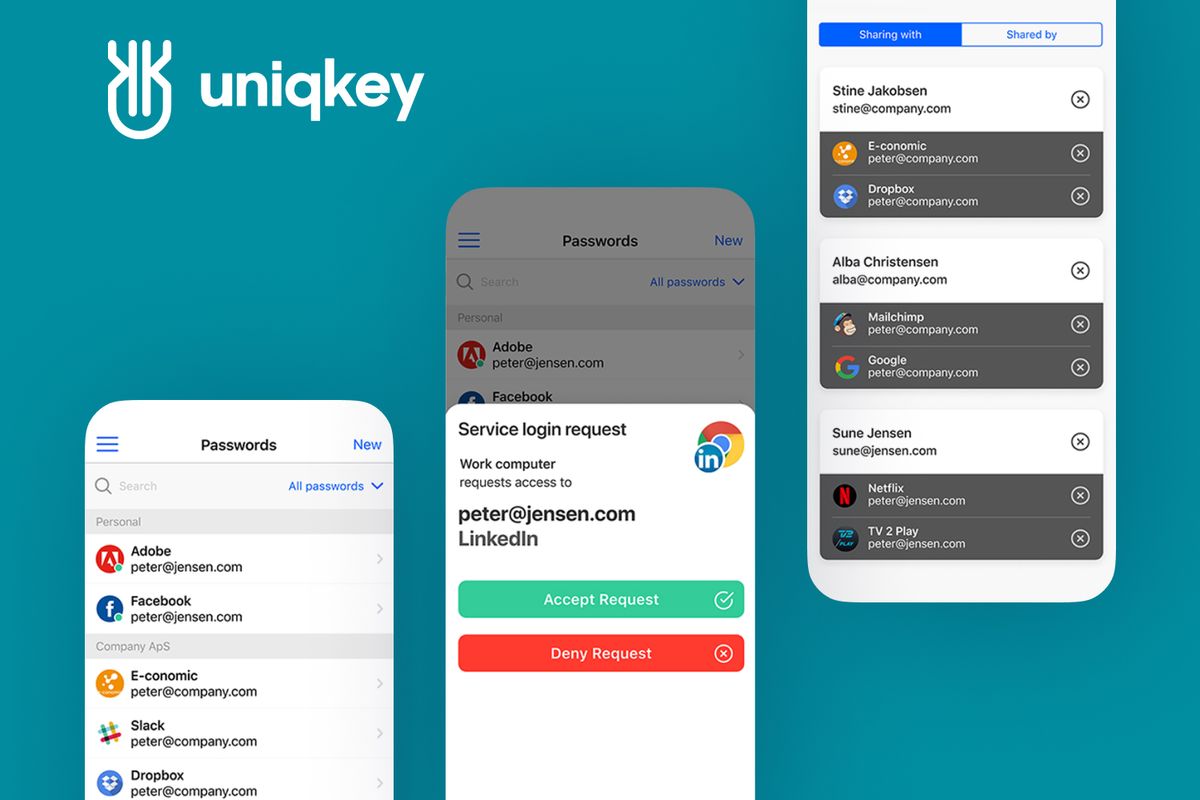
- and a personal financial management app built with React and TypeScript for a fast-moving FinTech product.
 Services Account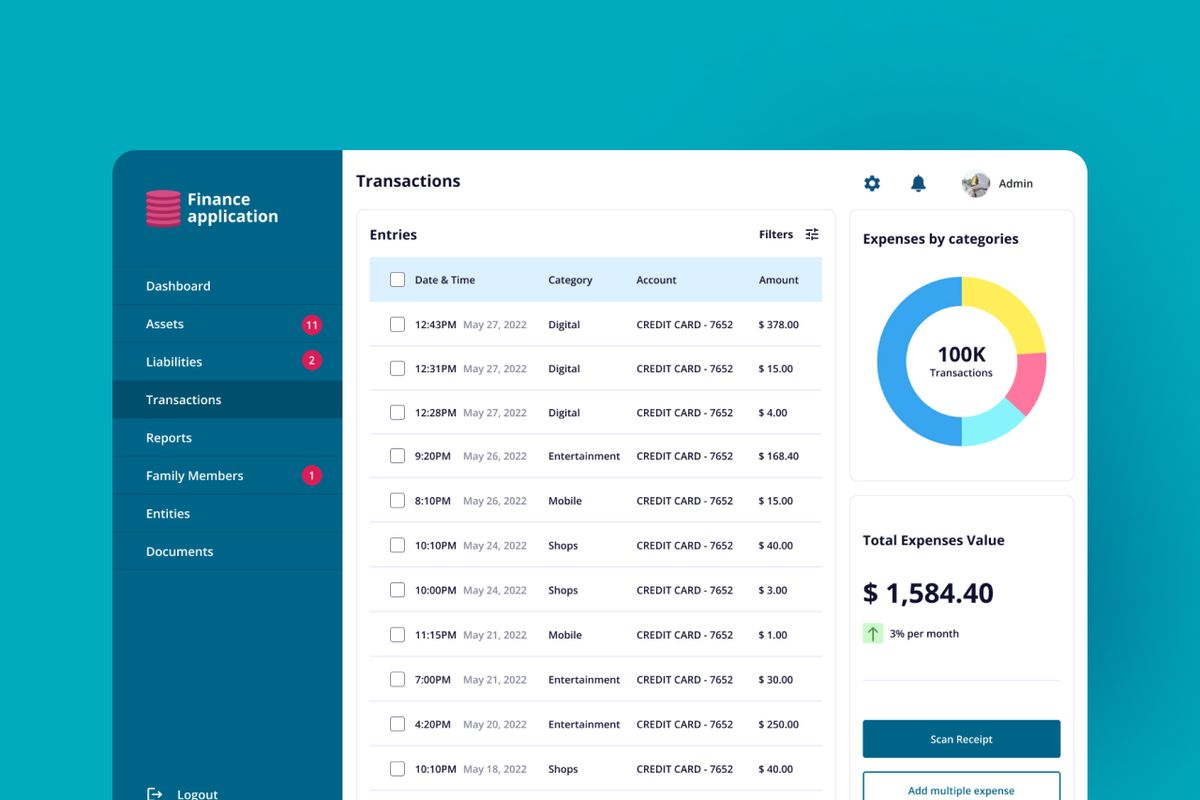
Each shows the same priorities in action — usability, performance, and a maintainable front-end architecture — applied to very different problems.
Reviews
Fively is a front-end development service that builds fast, accessible, and pixel-perfect web interfaces engineered to scale. We help startups, SMEs, and enterprises ship modern user experiences with React, Angular, Vue, and Next.js — covering everything from custom front-end development and UI/UX design to progressive web apps, legacy frontend modernization, and performance optimization.
Our dedicated front-end developers integrate seamlessly with your backend team, follow a transparent front-end development process, and treat accessibility and responsive web design as defaults, not afterthoughts. External validation matters more than self-description. Fively holds a 5.0 rating across 30 verified reviews on Clutch — here are a couple that speak to our frontend work:
“The app works, what else can I say, they did a wonderful job! Great communicators and a love for good product.” — Charles Chase, Founder, ComFi (Clutch)
“We’ve been working with really experienced folks who can see the big picture, and it makes a difference.” — Daniele Servadei, CEO & Co-Founder, Sellix (Clutch)
 Services Account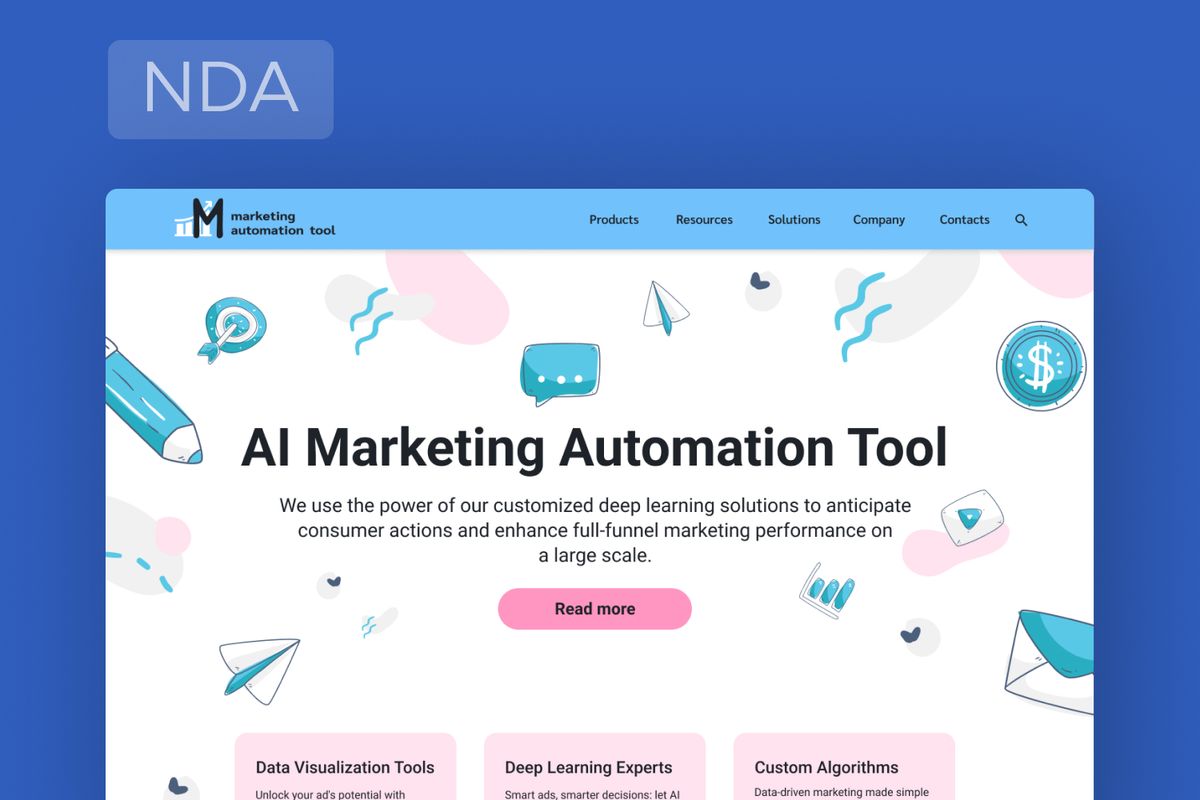
How Much Does Front-End Development Cost?
Since every project is unique — with its own scope, functionality, complexity, and timeline — the cost of a front-end development service is shaped by several underlying factors rather than a single fixed rate. Pricing that ignores those variables tends to be wrong in both directions, so instead of a misleading flat number, it helps to understand what actually moves the cost. The main drivers are:
• Project complexity: the number of screens, the sophistication of interactions, and how much custom UI logic is involved.
• Project duration: longer engagements and evolving scope affect overall cost.
• Cooperation model: a dedicated team, staff augmentation, and project-based work each carry different cost structures.
• Team size: how many developers, designers, and QA specialists the project requires.
• Team composition: the specific mix of roles needed to deliver the interface.
• Level of developers: senior engineers cost more per hour but typically deliver faster, cleaner, more maintainable results.
As a rough guide, a small, well-scoped interface or MVP frontend typically starts in the low five figures USD, while larger, long-running product engagements are scoped individually. The most reliable way to get an accurate number is a short scoping conversation about what you're building — once we understand your scope, design maturity, and timeline, we can give you a clear estimate and the cooperation model that delivers the most value for your budget.
Let's Build Your Frontend!
A great interface is often the reason users choose your product — and stay. Whether you're launching something new, scaling an existing platform, or modernizing a frontend that's fallen behind, our team is ready to help you ship fast, accessible, maintainable interfaces that move your business forward. Have an interface worth building? Let's talk.
 Services Account
Need Help With A Project?
Drop us a line, let’s arrange a discussion
Frequently Asked Questions
Yes — this is one of the most common ways clients engage our front-end development services. Our front-end developers integrate directly into your existing workflow, sprint cadence, and codebase, collaborating closely with your backend team through clean API integration. Clients on Clutch consistently note how smoothly our engineers slot into an in-house team while bringing their own expertise, so you get added frontend capacity without disrupting how your team already works. We adapt to your tools, your branching strategy, and your definition of done — the goal is to feel like part of your team, not an outside vendor you have to manage around.
Yes. Accessibility is a default in our front-end development process, not an add-on. We build to WCAG standards from the start — semantic HTML, keyboard navigation, proper color contrast, screen-reader support, and ARIA where appropriate — and run accessibility audits before launch. This makes your product usable for more people and helps you meet the legal and compliance requirements that increasingly apply to digital interfaces.
Fast — typically within one to two weeks, depending on the specialization and team size you need. Because we maintain an in-house bench of senior developers across React, Angular, and Vue.js, we can usually match you with the right people quickly and start with a short discovery phase, rather than spending months recruiting. For urgent needs, staff augmentation lets us add engineers to your team almost immediately. As an established frontend web development company, we've refined onboarding to a repeatable process, so new developers reach full productivity on your project in days, not weeks.
Yes — this is a core part of our legacy frontend modernization work. We modernize incrementally: auditing the codebase, prioritizing high-impact areas, and refactoring or rebuilding components in parallel with your ongoing development rather than freezing it. This phased approach steadily reduces technical debt, improves performance, and keeps new features shipping throughout, so modernization never forces your roadmap to a halt. We sequence the work so that each step leaves the codebase healthier and fully functional — no big-bang rewrite, no long freeze, just steady, measurable improvement alongside the features your users are waiting for.
Around 85% of our team works at a senior level, and yes — we provide senior front-end developers as standard. Complex, maintainable interfaces require engineers who understand architecture, performance, and accessibility deeply, so we staff projects with experienced developers rather than juniors learning on your time. When a project benefits from a mixed team, we structure it under senior leadership to keep quality and consistency high throughout. Among front-end development companies, this senior-heavy model is part of what lets us move quickly without accumulating the hidden technical debt that less experienced teams often leave behind.


